
Last month I participated in a blind tasting competition. Yeah, again. I know, I should see a shrink about this but I don’t have spare $$ for it as I spend the money on whisky. Besides, if I stop buying whisky in order to save the money for the shrink, The problem will naturally get dissolved and I won’t need it so why bother? 😉
Anyway, the competition was held here locally in Israel and contained 14 blind drams ranging from Glenlivet 12yo to Talisker 18yo with a few oddballs thrown in. Naturally I had many failures but too many revealed whiskies made me pull my hair, curse and scream “how did I miss that one?”
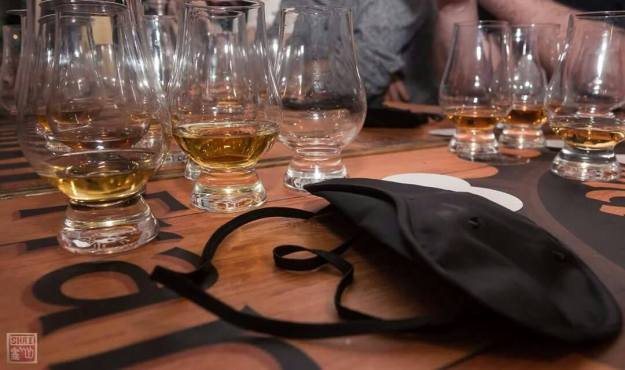
Photo Credit: Shai Gilboa
Here, take those short notes and try guessing the whisky:
 Nose: Crisp, dry and sharp peat smoke, very clean. There’s noticeable sherry sweetness here, malty, Doesn’t smell like high ABV nor 40%
Palate: Strong harsh dry peat, sherry sweetness.
Finish: Long, peat and ashes, lingering sherry sweetness.
Age: Young as there’s strong malt notes.
ABV: It feels like 46%
My guess for this one was Kilchoman Loch Gorm (5yo, 46%) but of course I was wrong. (keep reading for true identity).
Blind competitions are hard. many times it’s not easy to detect the finish type (sherry and port are very similar), different whiskies can smell and taste the same or very similar. your smell and taste senses works different on any given day. And you know what? it’s even harder to detect the whisky if it’s not a single cask bottling. Yes, I do think it’s harder to detect batch produced whisky than single casks and it leads me to the worrying trends I saw from this tasting:
1. For many basic whiskies the distillery trademark notes are diminished – Too many distilleries trademark notes, those we tend to associate with whiskies from this distillery, for decades if not for longer, were missing.
For example, our bottle of Glenlivet 12? It didn’t have the expected green apples notes I was used to find in Glenlivet bottles. Remember the tasting notes above? No, it wasn’t Kilchoman – it was Laphroaig 10. It had very weak iodine and maritime notes. The Oban 10 wasn’t barely coastal and maritime. The Auchentoshan 12 didn’t have the smoothness I tend to associate with triple distillation and with heavier sherry influence, and there were more…
At first I thought it’s only my imagination, as for some of those whiskies, I last tasted them 2-3 years ago. But I then compared the notes I wrote for them with previous notes and remarks I had and other competitors remarks and it seems I wasn’t alone with this conclusion. I also checked past reviews from blogs I trust and it all led to the second and even more worrying trend:
2. There’s a batch quality degrade overtime – Folks, for too many basic expressions, the whisky we taste now differs from the same whisky of 2-3 years ago. The truth is that the distilleries can’t meet up the demand without sacrifices and we probably cannot trust the distilleries to really keep all batches up to the high standard.
Don’t get me wrong, I don’t think it’s by design but I have no other explanation to the difference. Maybe not all casks going into the vatting now are top quality, Maybe for each batch they strive to make it as close as possible to the previous batch, but all those minor changes between batches accumulate and coupled with the rising demand and lack of resources, makes those entry level whiskies different from the batches of few years ago. There’s always a gradual change in whisky but in the last few years it’s been so a rapid change that the taste is now different and it takes just 2-3 years to notice it instead of 5-8 years.
What does the future holds for us? Probably no good news. As long as the demand is on the rise, the batch consistency and taste will keep changing (and for worse in my opinion) more rapidly than before. Does it means that quality is degrading? What should we do? I think it means you need to stock up bottles of whiskies you love now. The same whisky may be utterly different despite having the same label and distillery recipe. It’s a process I’ve already started working according to, trying to buy whisky I like now and not wait and buy it in the future. And I intend to keep doing so as long as I can as I don’t want to get so disappointed in the future. You should so too!
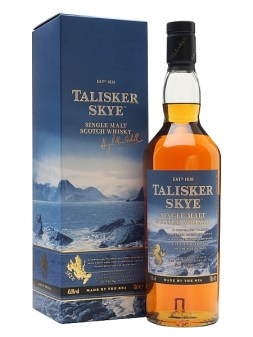 Nose: Initial notes of peat and pepper, then comes the other half of the equation with vanilla, sweet honey, pears and peaches. After a few minutes, the peat note now seriously lag behinds, the pepper is dimnished and it’s more gentle, round and sweeter. With even more time there’s almost no peat and pepper and it’s mostly sweet and vanilla.
 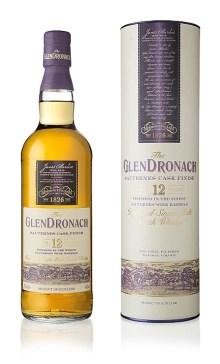 Nose: Starts with sweet white wine including some tannins, very fresh. Then some scented fruits and gentle sweet notes of pears and green unripe apples (it bite a bit with acidity). Also showing: green cardamom. Overall it’s a very gentle and delicate nose, sweet and rounded.
 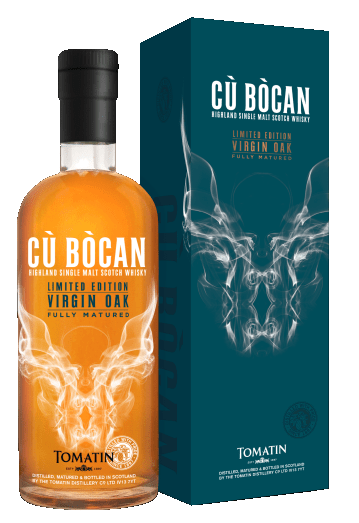 Nose: A very fresh and interesting nose, It starts with a moderate-to-weak peat wave but soon its taking backseat to sweet pears and apricots, vanilla, massive sweetness, almost too much but still fresh and a bit zesty.
 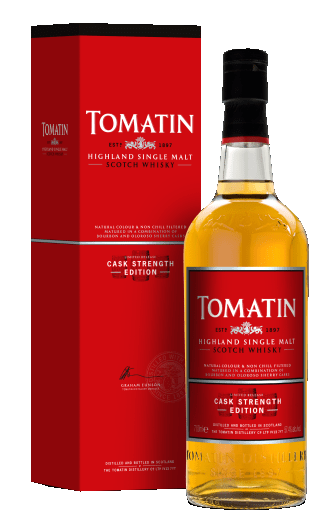 Nose: starts with malt and sweet honey. Then a big sweet and light stewed fruits glazed with golden syrup and cinnamon sprinkles. The youth and malt notes still pop up over again like bubbles. A few minutes in the glass reveals drops of tropical juice and the nutmeg kinda replaces the cinnamon one. There’s no stronger sherry influence where the sweet sugar gets darker and brown, raisins and dark sweet wine. With a few drops of water it’s lighter and fruitier but retain the overall impression.
  Nose: Those are ex-bourbon casks for sure with vanilla and heather honey. At first there was even a big floral note bordering perfume. Some concentrated fruits (mainly apricots), lots of saltiness. heavy yet fresh.
 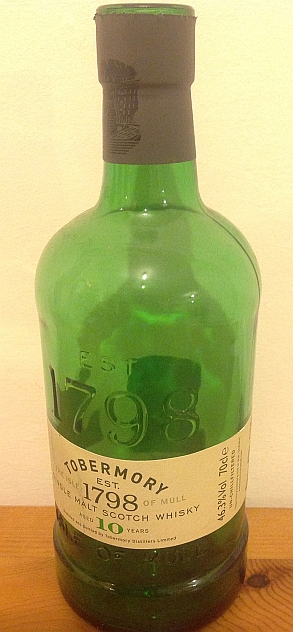 Nose: Heavy notes of malt, ‘dirty’ hay, honey and vanilla. This one is surely young as there are whiffs of new make notes and lots of malt. Given some time there’s a bit of milk chocolate, , sour berries with sugary sweetness which then develop and almost overtake the malt/honey/hay combo with strong strawberries note.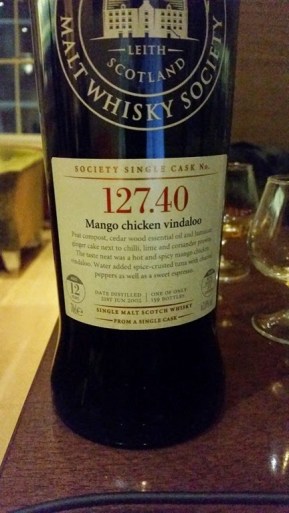

 Nose: Ahh, love that Laphroaig nose – Peat and soot, engine oil and BBQ coal, a bit of burnt matches, dry warm rubber boots. There’s the sherry impact with nutmeg, soaked raisins, sour berries.
  Whisky Gospel